News of a new $100,000 fee for H-1B visa applications has spread quickly and shocked employers and skilled workers. The change is part of a broader push to reshape the H-1B program in 2025. While the headlines sound alarming, the reality is more complex. Here is what you need to know about the new fee, who it affects, and what steps to take.
What Is Changing in the H-1B Program?
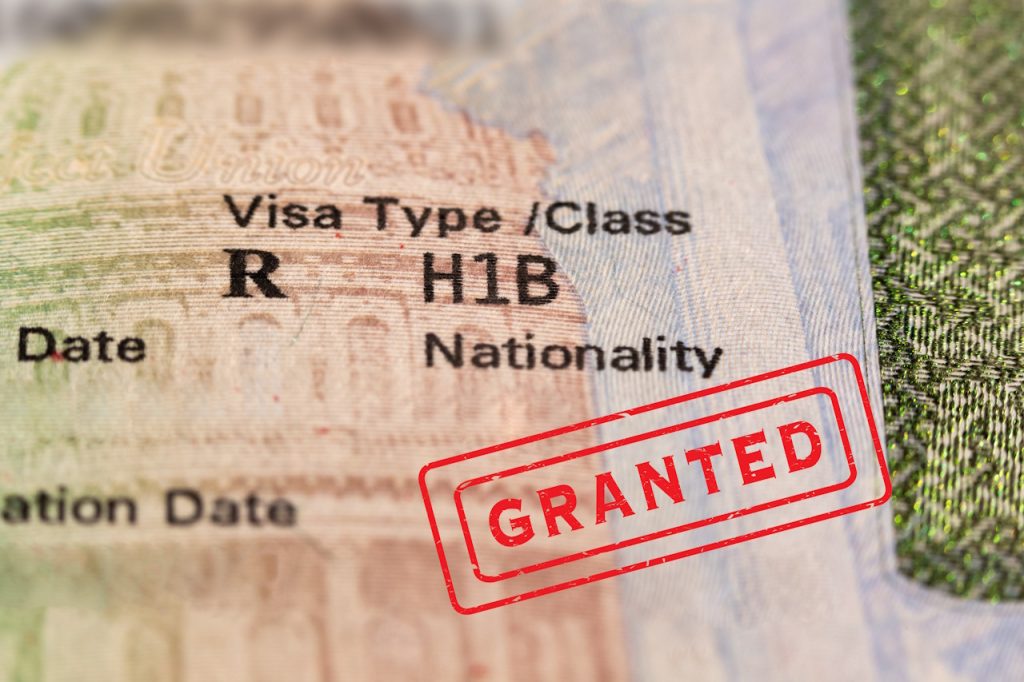
The U.S. government announced a proposal requiring employers to pay a $100,000 application fee for each H-1B petition, in addition to existing costs. The plan also calls for higher mandatory wages for foreign hires, making it more expensive for businesses to bring in skilled talent.
Who Will Be Affected by the New H-1B Visa Fee?
Employers
Companies that rely on international talent in technology, healthcare, finance, and engineering will face significantly higher costs with each petition. For small and mid-sized businesses, this fee could make sponsorship financially unrealistic. Even large corporations may reduce the number of H-1B petitions they file each year, impacting their ability to fill specialized roles.
Foreign Workers
Skilled workers dependent on the H-1B program may see fewer job opportunities as employers hesitate to take on the added expense. This could make the program even more competitive. Many highly qualified applicants may need to explore other visa categories, permanent residency options, or alternative career paths if companies scale back sponsorship.
When Does the Change Take Effect?
The $100,000 fee is not yet entirely in effect but is expected to roll out beginning in late 2025. Employers should prepare for the possibility that this policy could be finalized quickly. It is important to note that existing petitions already filed will not be retroactively charged.
What Employers and Applicants Should Do Now
Review workforce needs: Businesses should evaluate upcoming hiring plans and identify roles that may require foreign talent in the following year. Filing H-1B petitions sooner rather than later may help employers avoid being caught by the higher costs once they take effect.
Plan budgets early: Organizations that depend heavily on H-1B employees should start adjusting staffing budgets now. The added $100,000 fee could affect long-term hiring strategies, especially for companies that bring in multiple foreign workers annually. Smaller employers may choose between hiring locally and making only one or two strategic sponsorships.
Explore alternatives: Other visa categories may provide workable solutions. For example, the O-1 visa is available for individuals with extraordinary ability in their field, and the L-1 visa can transfer executives or specialized employees from a company’s foreign office to its U.S. branch. While these options have their own requirements, they may prove more cost-effective than the new H-1B structure.
Seek legal guidance: Because the fee is part of a broader restructuring of the H-1B program, the rules may continue to shift. Immigration attorneys can help employers and workers understand the fine print, assess eligibility for other visas, and ensure filings are prepared correctly and on time. Having legal support is especially critical in a period of uncertainty.
Conclusion and Call to Action
The proposed $100,000 H-1B visa fee is one of the most significant changes to the employment visa system in decades. For many, the headlines raise more questions than answers. If you are an employer planning to sponsor workers or an employee seeking an H-1B visa, now is the time to get advice and prepare for the future.
Westover Law Firm can help businesses and individuals navigate the complexities of H-1B petitions, alternative visas, and compliance with new requirements. Contact us today to schedule a consultation.