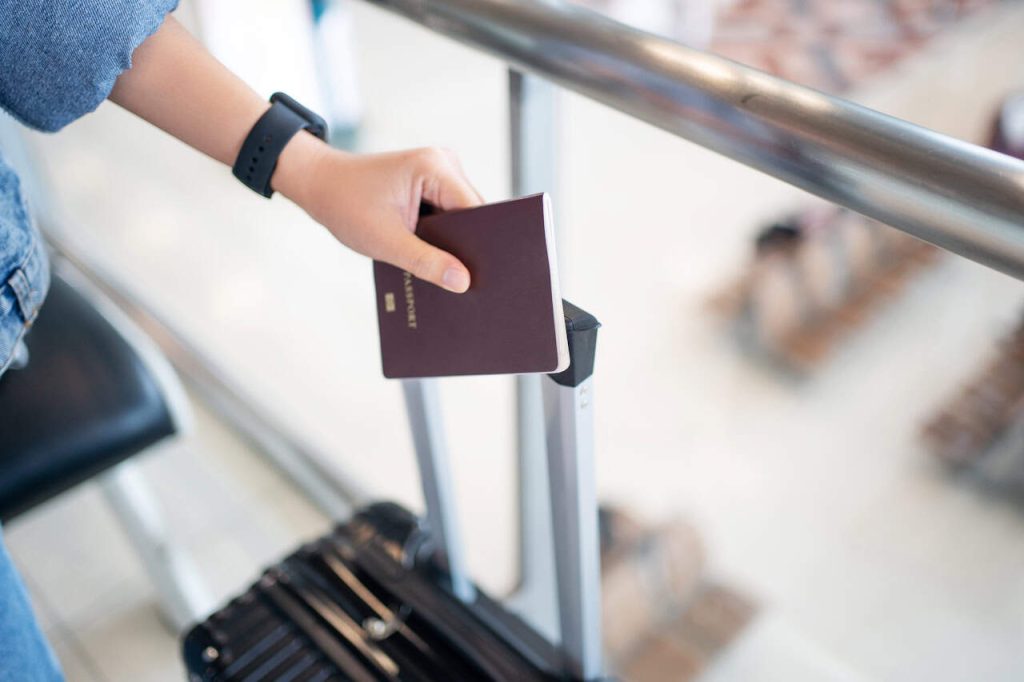
Travel outside the U.S. can potentially delay citizenship if it affects continuous residence or physical presence required for naturalization eligibility. Many lawful permanent residents travel for family, work, and emergencies and still complete the naturalization process without issues. The key is not the travel itself, but how that travel impacts the legal requirements USCIS reviews.
This article explains how USCIS evaluates travel history, which types of trips are more likely to cause delays, and how to report travel correctly on Form N-400. It also covers what to expect if you travel while your application is pending, since missed notices and scheduling conflicts can create avoidable setbacks.
This is general information, not legal advice. If you have long trips, frequent international travel, or past issues at reentry, it may be worth reviewing your situation with an immigration attorney before filing.
How USCIS Reviews Travel During the Citizenship Process
USCIS reviews travel for a simple reason. Naturalization is based on showing you have truly maintained residence in the United States and met the required time rules. When you spend significant time outside the country, USCIS may question whether you broke continuous residence, failed the physical presence requirement, or treated another country as your primary home.
USCIS does not require you to live without traveling. It requires that your life and residence remain primarily in the United States during the eligibility period. Officers look at the pattern of travel, the length of each trip, and whether your documentation matches your story. If something does not line up, the case can slow down while USCIS asks questions or reviews additional evidence.
Continuous Residence and Physical Presence Explained
These two concepts are closely related, but they are not the same. Confusing them is one of the most common reasons applicants misunderstand how travel can affect citizenship.
Continuous residence is about whether you maintained your residence in the United States for the required period. USCIS looks for signs that you truly lived here and did not break that residence through long absences or by shifting your home to another country.
Physical presence is more direct. It is the total number of days you were physically inside the United States during the required period. Even if you never break continuous residence, too much time outside the U.S. can still cause a physical presence problem.
USCIS checks both. A case can be delayed when travel is extensive, when dates are unclear, or when the travel history raises questions about whether the legal requirements are met.
Short Trips Outside the U.S. and Citizenship Eligibility
Many applicants take short trips and remain fully eligible for citizenship. Short trips are less likely to create problems when they are occasional, well documented, and consistent with normal life circumstances.
That said, repeated short trips can still cause extra questions in some cases. Officers may look more closely when a person is out of the country frequently, even if each trip is brief. A high volume of travel can make it harder to track physical presence accurately and can create the impression that a person is spending more time outside outside the U.S. than they realize.
The biggest risk with short trips is not the trip itself. It is failing to report the travel correctly or failing to keep records. Small inaccuracies can create doubt and lead to delays that could have been avoided.
Long Trips Outside the U.S. That Can Delay or Disrupt Citizenship
Long trips are where many citizenship delays begin. When you are outside the United States for extended periods, USCIS may question whether you kept continuous residence and whether you still qualify at the time you file.
Trips of several months can raise questions about whether you maintained a primary home in the U.S. Trips that approach a year raise even stronger concerns. Even when a person believes they had a valid reason to be away, USCIS may still treat the absence as a legal problem unless the case is presented clearly.
Long trips also create practical delays. If you are away when USCIS sends a notice, you may miss a biometrics appointment or interview. Missed appointments often lead to rescheduling, and rescheduling can add months to a case, especially in busy field offices.
If you have had long trips, the key is to understand how those trips affect eligibility and to prepare to explain and document them properly.
Travel While an N-400 Application Is Pending
Many people travel after filing Form N-400. Travel is generally allowed while a citizenship application is pending because you remain a lawful permanent resident. However, travel can still create delays or even eligibility issues depending on the length and timing of the trip.
The most common problem is missing mail. USCIS notices are time-sensitive, and an interview notice can arrive with a fixed date that cannot be moved easily. If you are out of the country, you may not know the interview was scheduled until it is too late. Even if you reschedule, it can add significant time to the process.
Another risk is that extended travel during the pending period can make USCIS look more closely at your continuous residence. Some applicants file N-400 and then take a long trip for work or family. That travel may create questions at the interview if it affects the eligibility period.
If you expect to travel during the process, it helps to plan carefully and keep reliable access to mail and records.
How to Document Travel for Form N-400
USCIS expects you to list your trips outside the United States on the N-400. Applicants often struggle with this section because they are trying to remember dates from years ago. A good faith estimate is not the same as an accurate record, and the safer approach is to confirm travel history as well as you can.
Common sources include passport stamps, flight itineraries, emails, calendars, and travel logs. If you travel frequently, it can help to create a single document that lists every trip in order with the departure date, return date, and destination.
The most common mistakes include missing trips, switching dates, or listing the wrong number of days outside the U.S. These mistakes can slow down the interview because the officer may ask for clarification or may question whether the application is reliable.
Accuracy matters. USCIS is looking for consistent, credible information that matches your documents and matches your overall eligibility.
Reentry Issues That Can Affect a Citizenship Case
Sometimes travel becomes an issue not because of the length of the trip, but because of what happens when you return. If a person has had a difficult reentry, extra questioning at the airport, or warnings about abandonment of residency, those facts can matter.
Reentry issues can trigger closer review of whether a person maintained permanent resident status properly. In rare cases, serious problems at reentry can create broader immigration concerns that go beyond the N-400 itself.
If you have ever been told you may have abandoned residency, or if you have had repeated issues returning, it is worth taking that seriously before applying for citizenship.
When Travel Creates a Risk of Denial or Delay
Travel becomes riskier when it connects to other issues. For example, USCIS may question residence if travel patterns conflict with where you claim to live, work, or pay taxes. Travel can also raise concerns if an applicant appears to have strong ties abroad and weaker ties in the United States.
Travel alone does not usually lead to denial. The bigger problem is when travel suggests the legal requirements are not met or when the travel history is unclear. In those situations, USCIS may continue the case for more evidence, delay a decision, or determine the applicant is not eligible at the time of the interview.
If you are unsure whether travel affects your eligibility, it is better to confirm before filing than to find out after months of waiting.
When to Speak With an Immigration Attorney Before Traveling
It may be a good idea to speak with an immigration attorney if you have had long trips outside the U.S., frequent international travel, or any reentry problems. Legal review can also help if travel overlaps with other risk factors, such as prior immigration filings, prior removal issues, or past arrests.
Many applicants do not need extensive legal help for travel questions. But if travel is central to your timeline, or if it is likely to raise questions at the interview, it is safer to address it upfront.
Final Thoughts
Travel does not prevent you from becoming a U.S. citizen, but it can delay the process when it affects eligibility rules or creates documentation problems. The best approach is to track travel carefully, report it accurately on the N-400, and avoid surprises that could slow down your case.
If you want help reviewing travel history, eligibility timing, or other risk factors, Westover Law Firm can help. We work with individuals and families throughout Mesa and surrounding Arizona communities and provide clear guidance through the naturalization process.