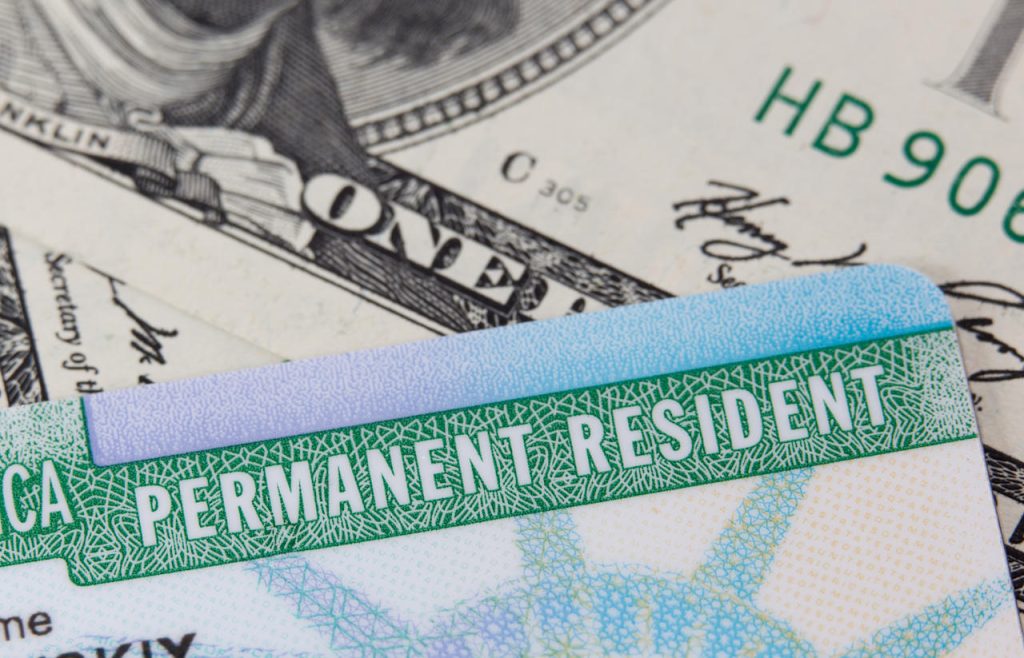
A delayed green card application may not indicate a problem, but understanding when to follow up can help avoid unnecessary delays. While some applications move through the immigration system without major issues, others remain pending for months longer than applicants expected.
Long periods without updates can create frustration and uncertainty. The key is determining whether the delay falls within normal processing expectations or whether additional action may be appropriate.
When a Green Card Delay Is Considered Normal
Many applicants become concerned after weeks or months pass without a visible update.
In reality, immigration cases often spend significant time in internal review. Background verification, eligibility analysis, document review, and interview scheduling may occur without generating new information in an online account.
A lack of updates does not automatically mean that a case has stalled.
Many of the same factors affecting green card applications facing delays can also contribute to cases that remain pending for extended periods.
Common Reasons a Green Card Application May Be Delayed
Several factors can affect processing times.
Additional Review Requirements
USCIS may conduct further review before issuing a final decision. This can involve document verification, eligibility analysis, or coordination with other government agencies.
Requests for Evidence
When additional documentation is needed, USCIS may issue a Request for Evidence.
Even when applicants respond quickly, reviewing the new information can add additional processing time.
Interview Scheduling Delays
Some adjustment of status applications require interviews before approval.
When local field offices experience heavy workloads, interview scheduling may become a source of delay.
Background and Security Screening
Certain cases require additional verification before USCIS can finalize a decision.
These reviews may continue behind the scenes without generating noticeable case updates.
Start by Checking Current Processing Information
Before assuming a case is stuck, applicants should compare their filing date with USCIS processing information.
Published timelines are not guarantees, but they can provide useful context regarding what is considered normal for a particular application type.
Reviewing available USCIS delay timeline estimates may help applicants determine whether their case remains within normal processing expectations.
If the application falls within the published range, additional waiting may be the most realistic course of action.
Review Your USCIS Notices Carefully
Applicants should review every notice received from USCIS.
Sometimes a delay is caused by a missed request, incomplete response, or communication issue rather than a problem with the case itself.
Important notices may include:
- Requests for Evidence
- Interview notices
- Biometrics appointments
- Requests for updated documentation
Missing a response deadline can create significant delays and may affect the outcome of the application.
Make Sure USCIS Has Your Current Information
Address changes and outdated contact information can create unnecessary complications.
Applicants should verify that USCIS has accurate mailing information and should promptly report changes when required.
An important notice that never reaches the applicant can delay a case for weeks or months.
When to Submit a Service Request
If a case appears significantly outside normal processing times, a USCIS service request may be appropriate.
Service requests allow applicants to ask USCIS for additional information regarding a delayed application.
While they do not guarantee faster processing, they can sometimes provide clarification about the status of a pending case.
When a Delay May Require Legal Review
Not every delay requires assistance from an attorney.
However, some situations warrant a closer look.
Examples include:
- Cases pending far beyond normal processing times
- Multiple unresolved USCIS inquiries
- Complex immigration histories
- Prior immigration violations
- Criminal history concerns
- Eligibility questions raised by USCIS
An experienced immigration attorney may be able to identify issues that are not immediately apparent from online status information.
What Not to Do While Waiting
Applicants often become tempted to take drastic action when a case remains pending.
In most situations, it is best to avoid:
- Filing duplicate applications
- Ignoring USCIS correspondence
- Assuming a lack of updates means denial
- Relying solely on information from online forums
- Making immigration decisions without understanding the consequences
Patience can be difficult, but unnecessary actions may complicate an already delayed case.
Determining the Next Step for Your Situation
Every immigration case is different.
The appropriate response to a delay depends on factors such as the application type, length of the delay, prior communications from USCIS, and the applicant’s individual circumstances.
Some delays resolve without intervention, while others may benefit from additional inquiry or legal review.
Understanding the difference is often the most important step in deciding how to move forward.
Speak To Our Immigration Attorneys About a Delayed Green Card Application
If your green card application has been pending longer than expected, our team at Westover Law Firm can help evaluate your situation and determine whether additional action may be appropriate.
We assist individuals and families throughout Mesa and the Phoenix area with adjustment of status applications, family immigration matters, employment immigration cases, naturalization applications, and other immigration concerns. Our attorneys provide honest assessments and practical guidance based on the facts of each case.
If you are concerned about a delayed green card application, schedule a consultation to discuss your circumstances and better understand your available options.